What Do Your Dashboard Warning Lights Mean? A Simple Guide for Drivers
From engine and oil warnings to tyre pressure and AdBlue, learn what common dashboard warning lights mean and what you should do when one appears.
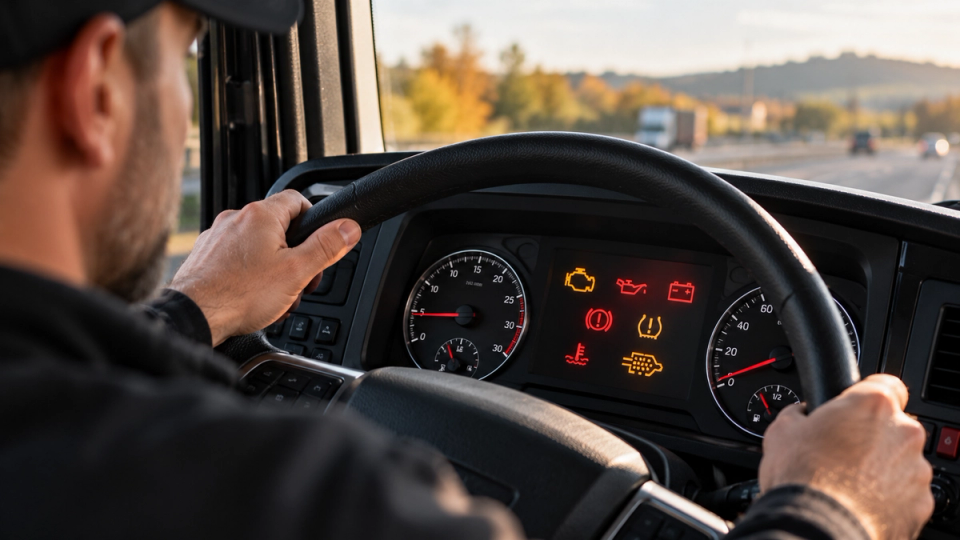
A warning light appearing on your dashboard can be easy to ignore – especially if your vehicle still seems to be driving normally.
But those little symbols are there for a reason.
Some simply tell you that a system is switched on, while others can warn you about a fault that needs attention straight away. The Highway Code advises drivers not to ignore warning displays, as they could indicate a serious fault developing.
Knowing the difference can help you decide what to do next.
What do the different warning light colours mean?
As a general rule:
🔴 Red – Something may need immediate attention. Find somewhere safe to stop and investigate the issue.
🟠 Amber or yellow – There's usually something that needs checking. You may be able to continue driving depending on the fault, but it shouldn't be ignored.
🟢 Green – Usually indicates that a system is operating normally, rather than warning you about a fault
The exact symbols and colours can vary between vehicles, so always check your vehicle handbook if you're unsure.
Engine management light
The engine management light normally looks like the outline of an engine.
There are lots of reasons it might appear, because modern vehicles use sensors to monitor different parts of the engine and emissions system.
A steady amber light can indicate an issue that needs checking, while a flashing engine management light can indicate a more serious problem and shouldn't be ignored.
If it appears, check your manufacturer's guidance and arrange for the vehicle to be inspected.
Oil pressure warning light
The oil pressure warning normally looks like an oil can.
If a red oil pressure warning appears while the engine is running, stop somewhere safe and switch the engine off.
You can check the oil level according to the manufacturer's instructions, but if the warning remains illuminated after the oil level has been corrected, the vehicle shouldn't simply be driven on. Low oil pressure can cause serious engine damage.
Battery warning light
Despite looking like a battery, this light doesn't necessarily mean you simply need a new battery.
It can indicate a problem with the vehicle's charging system, alternator, wiring or drive belt.
The Highway Code specifically advises that if the charge warning light appears while you're driving, the battery may not be charging and the problem should be checked as soon as possible.
Brake warning light
A brake warning light is one you should take particularly seriously.
First, check that your handbrake has been fully released.
If the warning remains illuminated, there could be an issue such as low brake fluid, worn brake components, a sensor fault or another problem with the braking system.
If the brakes don't feel normal, don't continue driving – stop somewhere safe and seek assistance.
ABS warning light
The ABS light relates to your vehicle's anti-lock braking system.
If it stays illuminated after you've started the vehicle, there may be a fault with the system.
Your normal brakes may still operate, but the anti-lock function may not work correctly, so the fault should be investigated rather than ignored.
Tyre pressure warning light
This normally looks a little like a tyre with an exclamation mark inside it.
It indicates that one or more tyres may have lost pressure.
Find somewhere safe to check your tyres and inflate them to the manufacturer's recommended pressure if necessary. If the warning returns, you could have a slow puncture or another tyre issue that needs attention.
Coolant temperature warning light
If the temperature warning light appears red, your engine may be overheating.
Continuing to drive an overheating vehicle can cause significant engine damage.
Find somewhere safe to stop, switch the engine off and follow the manufacturer's guidance before checking coolant levels. Remember that cooling systems can become extremely hot, so don't simply remove a coolant cap from a hot engine.
DPF warning light
Diesel vehicles fitted with a diesel particulate filter (DPF) may display a warning if the filter needs attention.
Depending on the vehicle, this could mean the DPF needs to regenerate or that there's another issue with the system.
What you should do next varies by manufacturer, so check the vehicle handbook rather than assuming that simply driving for longer will solve the problem.
AdBlue warning light
On diesel vehicles that use AdBlue, you'll normally receive a warning when the fluid level is getting low.
Don't leave it until the last minute.
Some vehicles won't restart once the AdBlue supply has been exhausted, so check your handbook and top it up with the correct fluid when required. AdBlue-related lights can also indicate a fault with the system rather than simply a low level.
What should you do if a warning light appears while driving?
Don't panic, but don't automatically ignore it either.
If it's safe to do so, identify the symbol and check what your vehicle handbook says.
If a red warning appears, the vehicle behaves differently, you lose power or you believe continuing could be unsafe, find a safe place to stop and seek assistance.
And if you're on a motorway, follow the Highway Code's breakdown guidance rather than attempting to investigate or repair the vehicle somewhere unsafe.
Know your vehicle before you need to
You don't need to memorise every symbol on your dashboard.
But knowing the main warning lights – and where to find the right information when one appears – means you're much better prepared if something happens while you're on the road.
Take five minutes to familiarise yourself with your vehicle's dashboard and handbook. It could save a lot of confusion later.
At Greenarc Fuel Cards, we're building our Knowledge Hub to give drivers and fleet managers practical information that helps keep vehicles moving safely and efficiently.
Driven by Insight, Powered by Partnership